I’m Teaching at the Creative Colorado Writer’s Retreat (And Other Updates)

It’s been a minute, so I have a few pieces of news and they kind of involve most areas of my creative work, as well as a book chapter I wrote in an Anthropology book.

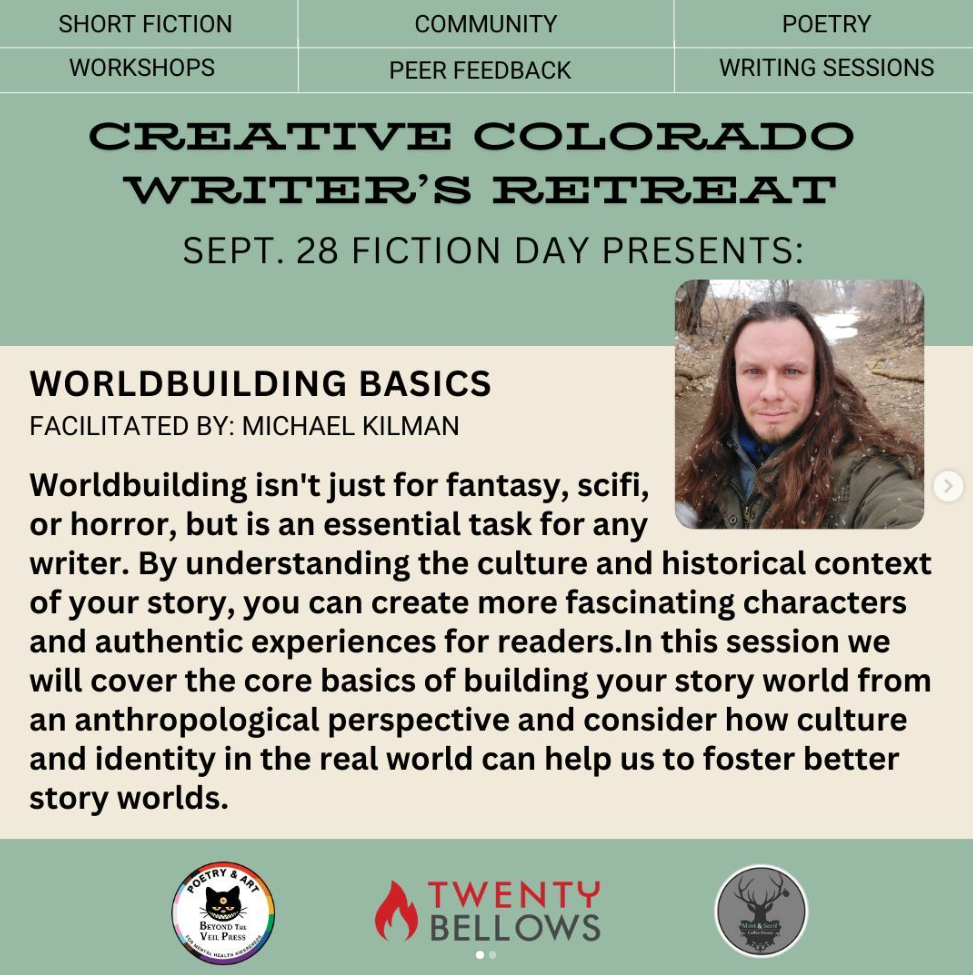
First up is that for the second year in a row, I will be teaching a session at the Creative Colorado Writer’s Retreat run by the incredible small press, Twenty Bellows. I have to say, I think this year has some of the most talented teachers of both poetry and prose in their line up. You can find out more about it here.

For my part, I’ll be teaching a session titled: Worldbuilding Without Info Dumping: How to Master Reader Immersion in Your Writing. My session will be on Saturday September 20th starting at 2:40 Pm.

The goal of the workshop will be to explore worldbuilding without exposition and instead looking how to build through dialogue and action so that your reader connects more deeply to your characters in the middle of the flow of the story.

But wait! There’s more!

At 11am on the second day of the writer retreat, we’re having a book fair. The book fair runs 11 am to 1 pm. I’ll have a table there if you want me to sign your books or pick up a copy of one of my 7 books. Again, there are many very talented authors at the book fair and It’s gonna be a ton of fun!

In other news, Resistances Reads Episode 8 goes live Monday September 15th at 7pm over on YouTube. And if you haven’t seen yet, we’re now on all the major podcast services. Episode 8 will cover the book, Black Empire by George S. Schuyler originally serialized in the 1930s, and is an early example of Afrofuturism. Literatura Obscura will air it’s 3rd episode this week as we discuss the book Ishamel by Daniel Quinn. It’s a novel about a telepathic gorilla who teaches a man the secrets to saving the world.

In terms of book updates, I have something to admit… I’ve been working on a secret project and it’s been distracting me from other things. But, I’m not quite ready to discuss that 8th and decidedly stand alone novel just yet. I am also working at building some of the lore right now for Shades & Shapes in the Dark universe. For those of you who read the first book that came out last may, you might suspect that it’s not really just a horror novel, but also edging into something more. In Through and Endless Darkness Dreaming (Book 2) Clarissa will discover that there’s more creatures out there, than just her own tormenter, Demon and that the world of magic is so much bigger than she realizes.

I am, also, slowly spending time in the world of The Chronicles of the Great Migration. I promise, I am still working on The Children of AEIS, and the final two other books of the series. They will get done.

One final announcement. This one is in the world of Anthropology. I recently published a chapter in the book, Exploring Digital Ethnography: From Principles to Practice. My chapter is titled: Worldbuilding as Pedagogy: Teaching Anthropology and Diversity in Contentious Classrooms. Now this is an academic volume, so while it’s not cheap, you absolutely can purchase it here. There are some great chapters in this book covering a variety of digital and interactive approaches to anthropology.

But if you just want to read my chapter… well… if you contact me, we might be able to find a way…

Until Next Time.

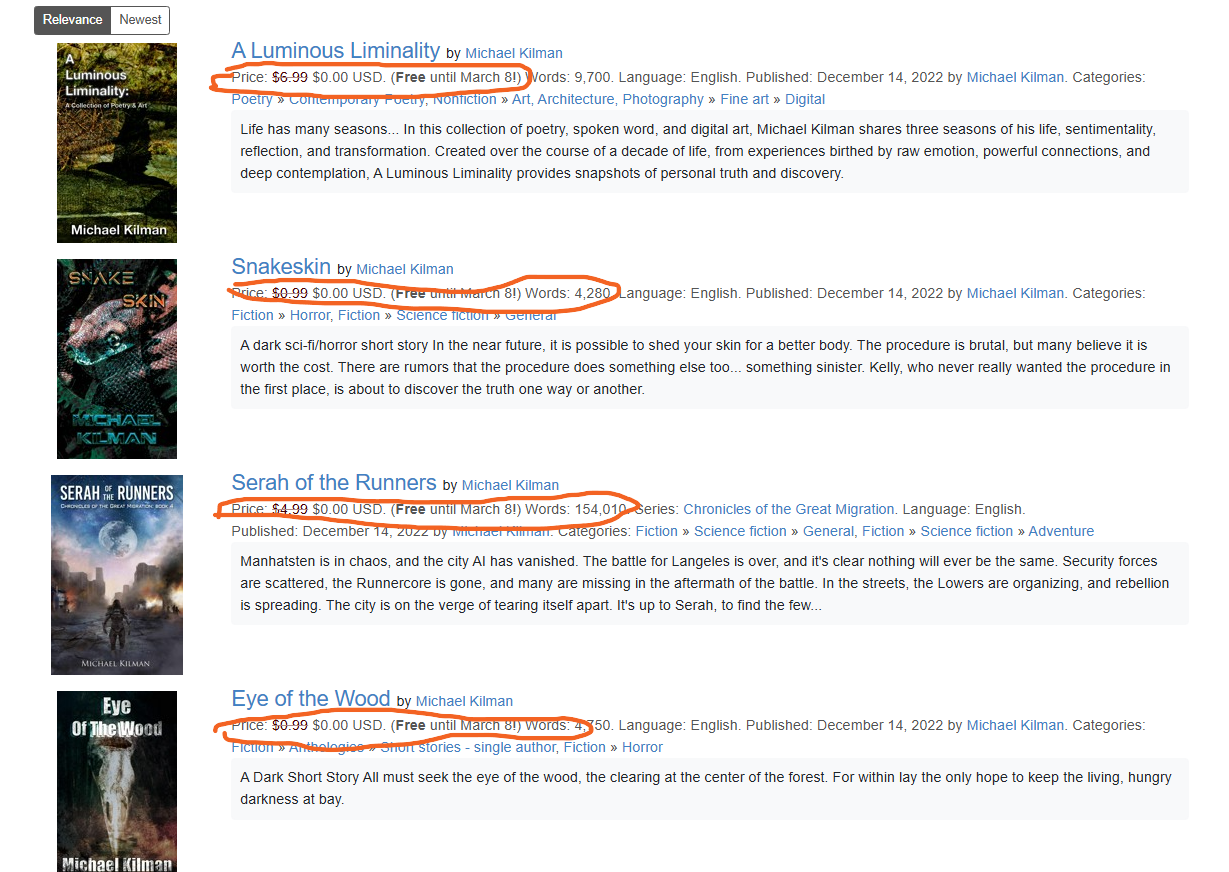
All My Books Are Free Until March 8th 2025!!!

You read that right. Everything I’ve published since 2018 is free for the next seven days on Smashwords. Trying to kick your amazon habit lately? Well, you can buy all of my books on Smashwords instead… or rather, just add them to your library because they are totally free. Even if you already have copies elsewhere, why not pick them up on a different service?


You can find them here at Smashwords!

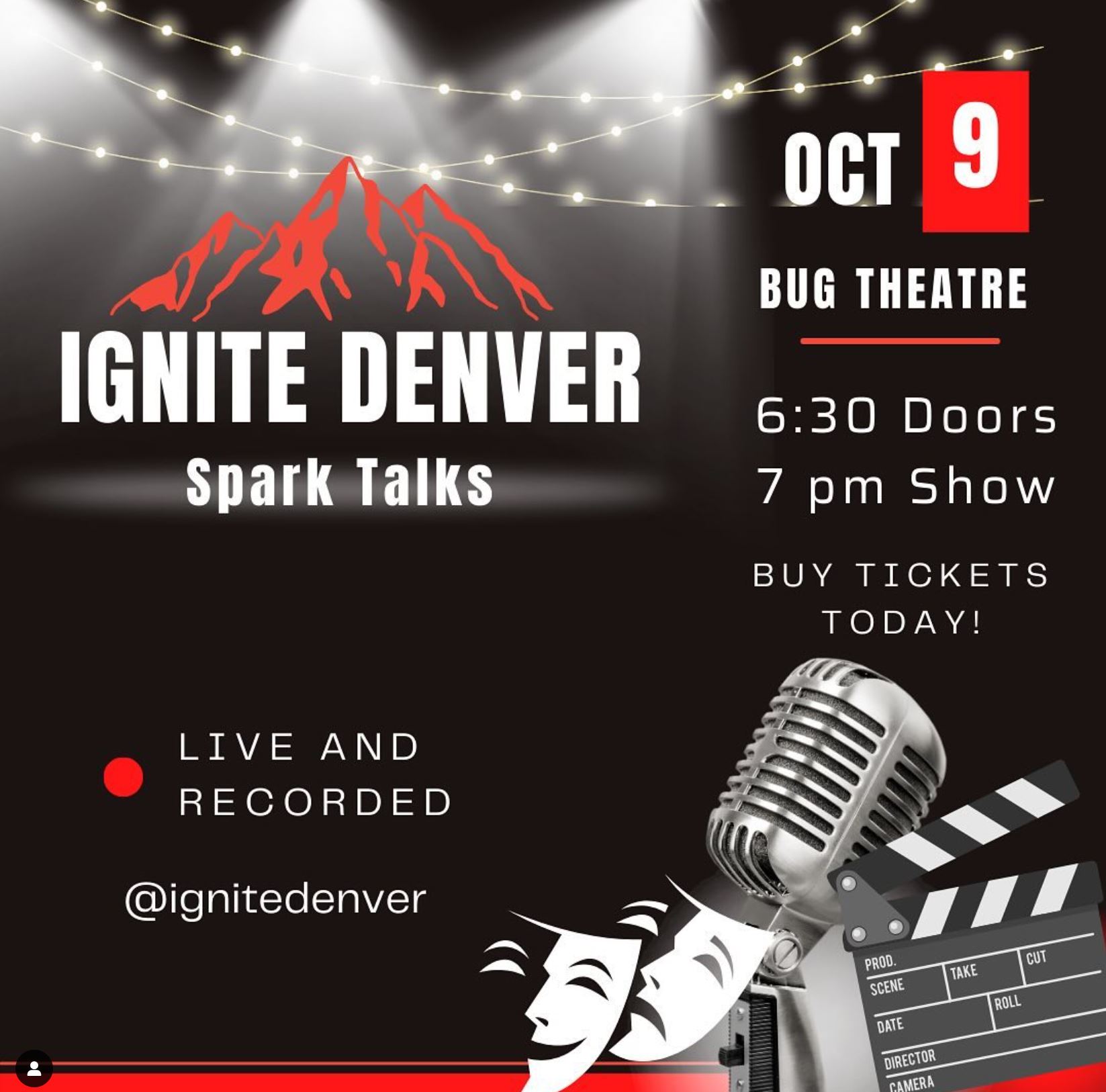
Ignite Denver #41 Talk: Stories Will Save the World

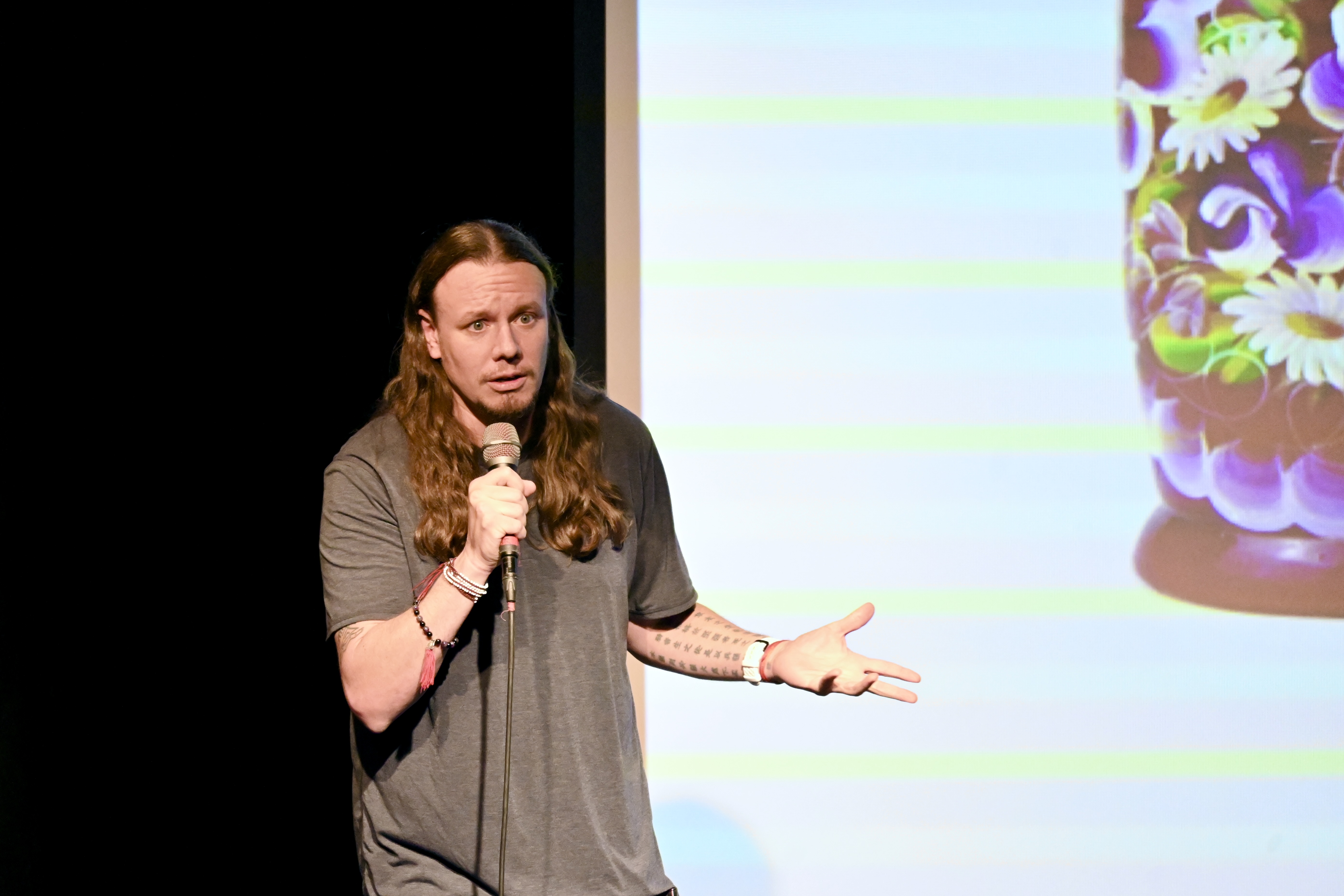
Wednesday Night October 9th I had the good fortune to share some of my ideas at the live event, Ignite Denver #41. My topic? Stories Will Save the World.

You may have heard the phrase uttered by Neil Degrasse Tyson and others, “We Are Made of Star Stuff”. It’s true, we’re made of the things born at the beginning of the universe. But my talk was about something else. We’re Also Made of Story Stuff. But we’re not just our story. We’re characters in countless stories, those of your parents, your friends, your family, passing acquaintances, that jerk who cut you off on the highway, and yes, you are the villain in someone else’s story.

We Are Made of Story Stuff and that’s why, It will be stories that save the world.

Watch the full talk below or on YouTube.

News, Podcasts, A Writing Workshop, and Publishing Updates September 2024

Hey all, I know it’s been a while since I have had updates so I have several things to post about today. Sorry for the long message, but I’ve broken things down so you can easily skim to the information you want.

The first is the reason that things are so delayed. This summer I joined Teach for America and last month I officially became a High School English and Language Arts teacher for 11th and 12th grade. Let me tell you, that’s an extremely busy job.

Despite the very long hours I am working right now, I’ve managed to make a lot of steady progress on my forthcoming novels. I am currently on a streak of 574 days or writing without skipping. 500 or so of those days had a minimum of 1000 words a day. So I make progress on something every single day (though I must admit at least 50 of those days I deleted the words right after I finished them but hey, you gotta get those bad words out of the way for the good ones to shine).

Here is the current status of my books that I am actively working on:

Shades and Shapes in the Dark is currently in it’s final pass before it heads off to the editor. ETA for book 1 is either October 17th or November 17th depending on the amount of edits required (How much red pen my editor uses).

The series is now 4 books with the following titles and progress level:

Book 1 “Shades and Shapes in the Dark” is in final edits with an ETA in October or November.

Book 2 “Though An Endless Darkness Gleaming” is 75% of Draft 1

Book 3: “An Illumination of Extraordinary Madness” is 50% of Draft 1

Book 4: “The Nature of Twilight At Dawn” is 30% of Draft 1

I currently expect to finish draft 1 of Book 2 by November 1st and to use NaNoWriMo to finish (or get close to finishing) the first draft of book 3

The Children of AEIS and The Chronicles of the Great Migration final two books, A War For the Heavens and A Hand to the Stars are still on their way. The Children of AEIS is sitting at around 75% first draft completion. The largest reason for the delay was a major concussion only two months after the release of Serah of the Runners. This derailed me pretty solidly and right now, when I have free time on top of writing, I am working through creating notes of the 4 books because my memory of them appears to be a little lacking from first the injury and then the passage of time. But, they are in progress and they absolutely will get finished sometime in the near future.

Welcoming the Muse


My poetic essay, Writing is Living was selected for publication by Twenty Bellows Press this summer. The piece is about life as an author in the 21st century. There will be a release party sometime this fall and I will provide more information as the date approaches. Needless to say, I’m thrilled to have another short of mine published this year. That makes 2 short pieces of writing picked up by publishers.

How to Write for the Future Podcast

I also recently appeared on a second episode of Write for the Future. This podcasts covers some basics of worldbuilding. The host also spent time across several episodes highlighting some of the key features of Kyra Wellstrom and I’s book, Build Better Worlds. I have linked the second episode where I guest starred as well as the episodes that surround our book below.

Part 1

Part 2

Additional Episodes that Cover Our Book

What is Cultural Context? (Build Better Worlds, 1 of 4)

Myth, Imagined Past, and Cultural Purity in Fiction (Build Better Worlds, 2 of 4)

The Sacred: Religion and Mysticism (Build Better Worlds, 3 of 4)

Economics: More Than Money and Markets (Build Better Worlds, 4 of 4)

Twenty Bellows Writing Retreat in Denver, CO

My last piece of news is that back in July I was asked to teach a session at the Creative Colorado Writers Retreat hosted by Twenty Bellows Publishing Company. I feel so honored to be a part of this retreat as it includes some of the most talented and knowledgeable writers in Denver.

You can find out more about this retreat here


That’s it for updates (I know there were a lot). I’m confident my next update will be release news! I hope everyone is having a great holiday weekend (if you’re American and reading this).

It’s All Relative (Anthropological Spoken Word)

For the last ten years I’ve been teaching college courses in Anthropology and Geography. But last month I signed on to join Teach for America where I will transition into teaching middle school or high school. Sometimes at the end of the semester I would recite this poem for students, to try and capture everything we’ve learned in the entire term. Also, I wrote this about two years ago, and I realized recently that I never actually posted it even though it’s one of my favorite pieces that I’ve written.

This spoken word poem is inspired by the core message of Anthropology so artfully put by Horace Minor many years ago. he said that anthropology is, “Making the strange familiar and the familiar strange.”
This poem also appears in my book, A Luminous Liminality: A Collection of Poetry and Art

It’s All Relative


It’s all about relations,

No I don’t mean sexual intercourse,

I mean how people build their foundations

How they relate to causation, or build a nation

And what they consider freedom and liberation

The tracks of humanity don’t just stop at one station

The imagination is filled with endless destinations

Everyone has hopes and dreams, sorrows and frustrations

Everyone wants to experience the sensation of cessation of suffering and damnation

Options

We are a range of cultural options

Our choices are the result of a kind of cultural adoption

Humans are a wonder to be sure

We explore, go on tour, only to identify what we consider pure and impure

We fight wars because we are insecure, but wait there’s so much more.

For every detour we endure, we can also find the cure

For our madness

For every act of hate, there one of love pushing back against the sadness

The thoughts people carry are the result of causes and conditions

A steady diet of enculturation a kind of cultural brain nutrition

Of what’s clean and dirty, right and wrong

How best to gather food or sing a song

How to unify a community and get along

Culture is about adapting and understanding where you belong

So much of it is arbitrary but we claim tradition is important because it has. Gone. On. So. Long.

But tradition is selection of past perceptions

Rooted in imagined past and cultural objections

There’s nothing inevitable about the paths we choose

The things we keep, the things we loose,

Or how we use and abuse one another

When we forget that all beings have once been our mothers

And we yell and scream and blame one other.

For our problems

And so it’s relative, the way we know

Our goals, dreams, aspirations, the places that we go

Flow below the assumptions and you will find a place to grow

But take it slow.

Because if you think you know,

You’re wrong.

Relativism is a practice,

lifelong

And that beginners mind, keeps you from getting too headstrong

Don’t assume right or wrong

Just be curious, instead of furious.

Cultural relativism is poison, a disease?

Oh please, I’ve got no interest to appease

The keyboard warriors whose agenda is to throw feces

Like our primate cousins…

Relativism doesn’t mean you allow ignorance to thrive,

It means you contrive to understand what it means to be human and alive

The things we do to survive and strive for

Opens the doors to more

Possibilities

Because every culture is a library of wonder

They all have lessons and wisdom bright with lightning and thunder

So shut up,

listen,

and put down your hands

You don’t have to like, but you should try to understand

Is Your Culture Stopping You From Seeing Reality? (Guest on the Trueman Show Podcast)

Hey everyone,

This last fall I was a guest on three podcasts. Two of those podcasts have gone live already. The final one just came out yesterday and is live on YouTube. I had a lot of fun on this episode. We talked about a whole host of different topics on life, culture, anthropology, art, AI, change, and the future. Check out our conversation at the link below

Is Your Culture Stopping You From Seeing Reality?

Tips to Navigate Those Tough Holiday Conversations (From an Anthropologist)

Is it really the holidays again?

Do you feel stressed just thinking about a few of your relatives who will create contentious conversations? Who are difficult to deal with? Are you ready for the holidays to be over before they begin?

The best advice is usually to avoid those thorny conversations, to find common ground, and focus on stuff you agree on. It’s good advice. But that’s not always possible. Sometimes you can’t avoid the tough conversations. So why not find ways to make them easier over time?

Ram Dass famously said, “If you think you are so enlightened, spend a week with your family.” And it’s true. Our families can be the most challenging group for us to deal with. There is so much history there that they can struggle to see the person you are now, as opposed to the person you used to be. It’s easy to forget that people change when you’ve known them for decades, especially from childhood.

I’ve been teaching Anthropology, Cross-Cultural Communication, and Diversity for almost ten years. So, I thought maybe I would offer up a few tips to help you navigate the holidays and how we can start healing the division we’re all experiencing.

Before I dive in, I want to ask you to read the whole thing. Quite frankly, when I am out in the world discussing this stuff, people will often interrupt and dismiss some of these tools for a variety of reasons. I will address most of this below, so even if you don’t agree with something I write, I encourage you to keep reading till the end because your question might be answered.

1. Listen to Understand, Not To Be Right

When I teach classes on diversity or communication, students are assigned reading reflections. In the first portion of these assignments, they must fully summarize an article with the core ideas, and the evidence the author is using to make their claims. They are not allowed to inject their opinion in the summary section. Why? Because before you can critique an argument, you have to fully understand it. So, before they are allowed to share their opinion, in the following section, they must first demonstrate they can summarize someone else’s argument.

This is an important life skill.

When someone has contrasting beliefs with our own, we tend to shut down and stop thinking critically. The walls go up. Then we accuse the other person of a lack of critical thinking or ignorance or dismiss them in some way. Who is right and who is wrong isn’t really the core issue here. Neither side is hearing the other and so no one will see a way across the divide.

Don’t listen to someone to prove something. Don’t listen to someone to be right. That is just an emotional reaction. You have allowed your emotions to take possession of you. This means the other person will also react emotionally and the conflict will escalate, and both parties will walk away miserable.

What to do instead?

Take a breath and listen. Don’t just listen to what they are saying, but try to understand where their concern comes from. What’s at the root of their fear and anxiety? It’s often different than you might think. What are their desires? Their hopes? What does a good future look like to them?

This leads to the next point…

2. Ditch the Devil’s Advocate

After nearly a decade of teaching, I’ve come to believe that the Devil’s Advocate approach is well, a devil. Meaning that it’s rarely a useful approach. The position of the Devil’s advocate masks itself as sincere critique, but most of the time, it ignores the concerns of the other person and seeks only to undercut someone else’s argument. It’s often dishonest, and disingenuous.

There are spaces where it’s possible to use the devil’s advocate well. If you’re in the midst of a debate in some kind of performative setting, where there is a moderator or someone able to continually keep both people in bounds, it can work. But the Devil’s Advocate isn’t a tool to persuade someone to your side, it’s to persuade an audience to your position. That’s a completely different tool. You’re not going to connect with the person you’re arguing with by using the Devil’s advocate approach, at least not usually. Yes, there are some people who can get something from this approach, but again, in my years of teaching on these topics, I’ve found nine times out of ten, it causes more problems than it solves.

What to do instead?

Use a kind of soft Socratic approach. You have to be gentle with this approach because remember, Socrates pissed enough people off that they made him drink poison. The goal is not to make the other party feel stupid or ignorant (which is what got Socrates killed) but to open the door for them to think about their viewpoint. Ask questions motivated to understand what the other person is saying. These questions should be rooted in an earnest curiosity to investigate their true thoughts and desires.

You’d be surprised how many people build a wall with their beliefs to try and prevent themselves from feeling overwhelmed by information. Soft Socrates can help them recognize that wall, to see that they’ve created a blockage between themselves and others.

How do you do this?

Don’t try to argue your beliefs. Don’t try to make appeals that work on you. Everyone has empathy, it’s a matter of who they have empathy for, and what they feel personally connected too. If someone doesn’t like immigrants, talking about women and children suffering, isn’t going to work in a direct approach.

Ask questions that show them you are empathetic to them, that you’re willing to listen and want to understand them. This builds rapport and creates space for them to share their deeper feelings and thoughts over time, and allows you to speak to them in a way they may understand in the future.

Again, you don’t have to agree with their beliefs or ideas (you can disagree with them intensely), but being able to summarize someone else’s argument effectively, is a really powerful tool for a number of reasons. Remember, this is just a conversation. Nothing is lost if they don’t ultimately agree with you, because, well, they already don’t. So ask lots of clarifying questions. If you can understand their point of view, you can learn to speak their language.

Ask questions like:

You keep bringing this up. Why is this issue more important to you the others?

Can you help me understand how and why you came to that conclusion?

If they got their ideas from a media personality consider: Where do you think that this person got their ideas and information? Have you seen this personally?

Was there something that you experienced that made you feel this way?

How might someone else interpret that experience?

It sounds like you’ve spent a lot of time thinking about this. I have too. But do you think you can explain the beliefs of people who disagree with you? Do they all think that way?

How do you think the other side came to their beliefs?

Why do you think their conclusions are as important to them, as your conclusions are important to you?

What do you think is important for other people to know about this topic? Why is that?

Is there another way of thinking about that issue that you can at least partially agree with?

What do you have in common with the people you disagree with?

Wow, it sounds like you care a lot about this issue. How can we solve this issue in a way that benefits everyone involved?  

The point with this approach is to establish common ground and to get them thinking that there are other ways of interpreting the same information. You’d be surprised how often someone who believes the opposite things as you, wants very similar things.

In general, people want to know that their basic needs are going to be met. They want to have the peace and freedom to pursue their interests and desires, and that people will care about them when something happens. Yes, even bigots want these things.

3. Remember Context, Conditions, and Choices

If you’re new to my work, you may not have heard of the Three C’s (well, my three C’s) before. I gave a Ted Talk on this back in 2021 and you can certainly watch that if you want a full breakdown, but in brief, it’s important to remember the elements that make up identity.

Context – The cultural system into which someone was born. This includes all the available cultural knowledge they grew up with, the time in history, and important historical events that will have shaped their thinking. This is the entire system into which they were born, not their personal experience.

Conditions – These are the personal experiences that someone has had in their life. What kind of exposure to different ideas have they had? What challenges have they faced? What are their religious beliefs, language, gender, class identity, and so on. How do these compare to the norms of the culture (does that create conflict or perceived conflict for them?) These are their experiences within the system they were born.

Choices – Once you have taken the time to understand a person’s cultural background and personal life experiences, you can begin to understand many of their choices, their political opinions, their religious beliefs, and so on. This doesn’t mean you agree with them, but this exercise is to help you recognize them not as that ranting irrational person you can barely stand to be around, but as a complex person who has different thoughts, desires, emotions, and needs.

Humanizing someone is important. Dehumanizing someone is the first step to violence. That doesn’t mean you like what they believe (especially if their beliefs are dehumanizing), it doesn’t mean you agree with what they are saying, but understanding is the starting point to a more cohesive coexistence and to find ways to solve problems.

People do not usually change their minds because someone screams facts at them.  They have to connect emotionally with the facts. If you connect with them, and you build trust, they are far more likely to listen to you and given enough time, change their mind.

There are no quick fixes here. People don’t come to hate something in a singular moment. It takes time. Either they are born into a way of thinking and they are raised with it, or something happened to them to put them in a vulnerable position where the seeds of hatred could grow. Hate usually grows from outrage, and these days, all of us, across the political spectrum, consume media that purposely makes us feel outraged. That’s how these companies make their money.

That’s actually optimistic because we’ve created these problems. That means we can uncreate many of them.

4. This won’t work every time, and it takes lots of practice

As someone who has not only taught diversity for a decade but has lived and worked among other cultures, I’ve heard every argument for why we should or shouldn’t appeal to the humanity of someone who disagrees with us.

Things like:

“You can’t be tolerant of someone who wants to end your existence.”

“Some people just thrive on chaos.”

“They are a narcissist (or some other reason they will never listen).”

“They are willfully ignorant and will never change their mind.”

“I know better because I’m older and more experienced.”

“They are too old to change their mind.”

“They could never understand what I’ve been through.”

“Their generation has xyz issues.”

Maybe these are true. Maybe you’re right and that person will never listen. Have you tried the above approaches? Have you put down your weapons and tried to talk about these things, not to win, not to be right, but to understand? Maybe you have. Maybe my advice doesn’t work for the person or people you’re thinking about.

But it will for someone. And in a world where so many of us feel the rising conflict, every person who listens counts. Every courageous conversation counts. It’s often the little acts that change the world, that bring communities together.

People doubt their beliefs, especially when there are obvious holes in what they think. People are aware at some level, of their own cognitive dissonance. It’s why they get so angry when presented with a sincere challenge to their worldview. When you attack them, it gives them a reason to put aside their doubt, and build a higher wall.

But if you approach things from a different direction, if you meet their walls with an olive branch, sometimes they will open the gate. Given enough time, they might start to take bricks off that wall, enough that they can start to see over to the other side. Even if they never fully change their mind, softening their view can deescalate potential violence and conflict. Even if becomes, well, we know we can’t approach that topic but we still love and care for each other, that’s a victory. If you have even 10% more peace during your holiday. That’s a victory.

No this won’t work every time. It might not work the first time, or the tenth, but if we care about this person, or ever cared about this person, we must remember their humanity.

I am definitely not perfect. I screw this up all the time. Ten years of teaching, and I can’t always make it work. There are some people, and some things that just get under my skin and I have a hard time seeing past that. But over time, that’s less true. Over time, I can talk about complex issues such as race, gender, or oppression in ways that are more accessible and thought-provoking, less attacking, and more about developing connections.

I’ve been the angry activist on the street, screaming and shouting for tyranny to end. I’ve written no end of essays and articles about injustice. I conducted graduate research on media and representation and saw all the terrible ways our system treats differences. I’ve struggled with elements of my own identity for most of my life. I grew up in a deeply segregated community on the East Coast and didn’t understand anything about diversity. But I learned. I changed. I continue to make mistakes and reflect so that I continue to grow.

It’s know it’s hard to be the bigger person, really hard. But I promise you, the payoff is worth it. We just have to try. Sometimes we will make a connection and change things for the better. Sometimes we won’t. But you never know for sure until you try.

I hope you all have a wonderful holiday and some of this is useful.

Want to get regular updates when I post something? Subscribe to my substack.

Crafting New Worlds: Exploring the Fusion of Anthropology and Storytelling with Michael Kilman on the Colorado Switchblade Podcast

Hey readers,
Yesterday I went on the Colorado Switchblade Podcast and talked about my work as a media researcher, an anthropologist, storytelling, and the value of community and art. It was a fun conversation with Jason Van Tatenhove, who may have even seen on places like CNN and Dr. Phil. Check it out, and definitely check out the Switchblade, it’s doing some really interesting stuff.

You can read the article and listen to the podcast here.